
Retail and Shopping Center Roofing in Kansas City, MO
Commercial roofing for strip malls, shopping centers, anchor stores, and standalone retail buildings throughout Kansas City, MO.
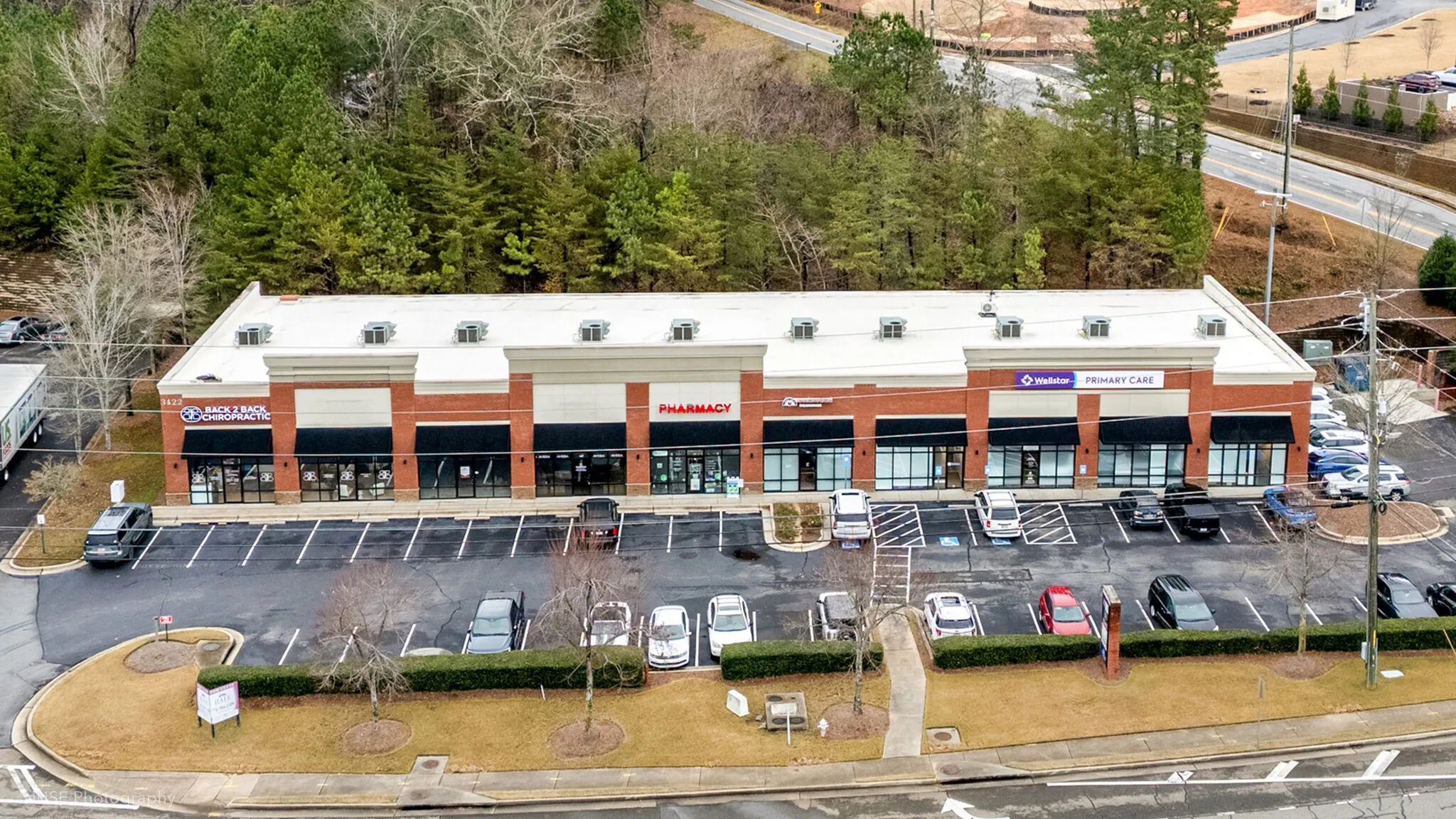
Kansas City's retail geography stretches across the state line in ways that create a bifurcated commercial real estate market, the Missouri side headlined by Country Club Plaza, Ward Parkway Center, and the Blue Ridge Mall area, while the Kansas side is defined by the Oak Park Mall corridor in Overland Park, Town Center Plaza, and the massive retail development along 119th Street. Both sides of the metro share the same harsh continental climate: brutal winters with heavy snow and ice, tornadoes and severe thunderstorms in spring and fall, and hot humid summers that test roofing systems from the other direction. Property managers overseeing retail assets across this geography are dealing with one of the widest climate stress ranges in the country, and roofing systems need to be specified and maintained accordingly.
TPO single-ply membrane has become the specification of choice for Kansas City retail reroofing projects, replacing the modified bitumen and EPDM systems that covered most of the metro's strip center inventory from the 1980s and 1990s. The freeze-thaw cycling in Kansas City's climate is particularly aggressive, the metro can experience 30 to 40 freeze-thaw cycles in a typical winter, which makes the seam-weld integrity of TPO systems a genuine performance advantage over adhesive-bonded systems whose seams fatigue under repeated thermal movement. For Kansas City retail centers with high concentrations of food-service tenants, particularly along the Country Club Plaza perimeter and the restaurant-dense corridors of Westport and the Power & Light District-adjacent retail, PVC membrane is specified in grease exhaust zones.
Wind and hail represent the most acute weather threat to Kansas City retail roofs, and the tornado alley positioning of the metro means that building owners take wind loading seriously in ways that coastal markets may not. A hailstorm that generates 2-inch hail, not uncommon in spring severe weather events in the KC metro, can perforate or severely compromise a standard 45-mil TPO membrane on a single pass, creating leak vulnerabilities across an entire rooftop that require systematic inspection to locate. Specifying 60-mil or 80-mil TPO with impact-resistant ratings is the baseline professional standard for Kansas City retail projects, and property managers who have experienced a hail damage claim on a thinner membrane typically upgrade their specifications on subsequent installations.
Retail tenant disruption in Kansas City requires navigating the specific seasonal rhythms of the metro's retail calendar. The Country Club Plaza Lights event around Thanksgiving and the holiday season through early January are the highest-traffic periods for Plaza-area retail, and construction work during that period is commercially unacceptable for most tenants. The Overland Park retail corridor on 119th Street has similar holiday season sensitivity, and suburban lifestyle centers like Town Center Plaza have tenant mix agreements that create additional noise and disruption restrictions. Construction windows in Kansas City's retail market are realistically compressed to spring (March through May) and late summer into fall (August through October), avoiding both winter weather delays and holiday season conflicts.
HVAC penetration management at Kansas City retail centers reflects the density of rooftop equipment needed to manage both summer cooling and winter heating in a climate with a 100-degree temperature swing between extreme summer and extreme winter. Unlike Southern markets where cooling dominates, Kansas City retail rooftops carry significant heating equipment as well, including gas-fired unit heaters, makeup air units, and combination heating and cooling systems. Each piece of equipment adds penetrations, curbs, and flashing details to the rooftop, and the thermal expansion and contraction that metal components experience in a -10°F to 105°F annual range is substantially greater than in more temperate markets, requiring more frequent flashing inspection and maintenance.
The Kansas City retail market has experienced significant transformation as the suburban retail format has evolved and some older corridor assets have struggled with vacancy. Properties along Blue Ridge Mall, South 71 Highway, and the older sections of the Antioch Road corridor face different economic realities than the Overland Park premium retail market, and roofing decisions on these assets reflect tighter capital budgets. For these properties, a maintenance-first approach, extending existing system life through targeted repairs, drain improvements, and restoration coatings where appropriate, often makes more financial sense than replacement. The key is having an honest assessment of the existing system's condition to distinguish between a roof that can be maintained and one that has passed the point where maintenance is cost-effective.
Big-box retail anchors at Kansas City power centers, the large-format grocery, home improvement, and sporting goods tenants at Overland Park and Lee's Summit centers, carry corporate rooftop standards that govern contractor access, specification requirements, and warranty documentation in ways that smaller tenants do not. These national anchor tenants employ real estate teams who audit landlord roofing compliance as part of their lease administration, and a Kansas City property manager who receives a compliance notice from a national anchor's real estate department has a time-sensitive obligation to respond. The certification documentation requirements for roofing work at anchor-tenant spaces are more extensive than for inline tenant areas, and contractors who are not pre-certified with these national brands before project mobilization create compliance gaps that are difficult to close retroactively.
Kansas City's commercial real estate community has a well-established network of institutional property managers and commercial real estate professionals who share contractor performance information within the market. A commercial roofing contractor who performs consistently well on Kansas City retail projects, delivering on schedule, managing tenant disruption professionally, and providing complete documentation, builds a reputation that generates referrals from property managers across the metro. Conversely, a contractor who creates problems on even a single high-profile retail project can find the KC market difficult, because the commercial real estate community on both sides of the state line is smaller than the market size might suggest and relationships are a genuine competitive differentiator.
Long-term capital planning for Kansas City retail properties should integrate roofing condition into a holistic capital strategy that considers the property's competitive position, tenant lease structure, and the current capital market environment. A well-maintained roof on a Country Club Plaza-adjacent strip center is a prerequisite for attracting the credit tenants who drive that market's premium valuations, while the calculation for a distressed asset on the Missouri side is entirely different. Working with a commercial roofing contractor who understands that the same physical work, a roof replacement, serves different strategic purposes for different Kansas City properties, and who can advise accordingly, is what distinguishes a vendor from a genuine business advisor.
- How does Kansas City's tornado and severe weather risk affect retail roofing specifications?
- The KC metro's position in tornado alley means that wind uplift resistance is a critical specification criterion for retail roofing systems. 60-mil TPO with code-compliant fastening patterns at perimeter and corner zones provides meaningful protection against the pressure dynamics of a near-miss tornado or severe straight-line wind event, and hail-resistant membrane ratings reduce the insurance claim frequency that has been a consistent pain point for KC retail property managers.
- What is the best construction season for a retail reroof in the Kansas City metro?
- Late March through May and late August through October are the preferred construction windows, avoiding winter weather that prevents proper membrane adhesion and the holiday retail season when tenant-traffic sensitivity makes construction disruptive. Spring scheduling also allows for a complete roofing system before the summer thunderstorm season, while fall scheduling completes work before winter weather imposes emergency repair risk.
- How does the freeze-thaw cycle in Kansas City affect TPO roofing compared to EPDM?
- Kansas City's 30-to-40 annual freeze-thaw cycles create thermal stress at every seam and transition detail, and the key difference is that TPO heat-welded seams maintain their integrity under this cycling while EPDM adhesive-bonded seams fatigue over time. After 15 to 20 years of Kansas City winters, the seam failure rate on aging EPDM systems is substantially higher than on comparable-age TPO systems, which is reflected in the local market's migration toward TPO for both new and replacement roofing.
- Are there differences in commercial roofing requirements between Missouri and Kansas sides of the metro?
- Both sides of the KC metro operate under locally adopted versions of the International Building Code and are subject to Kansas or Missouri building department jurisdiction depending on the property's location. Permit requirements, inspection protocols, and specific code adoptions can vary by municipality, Overland Park, Lenexa, Lee's Summit, and Kansas City Missouri all operate their own building departments. Contractors working across the state line need to be licensed in both Kansas and Missouri.
- What maintenance practices have the highest ROI for Kansas City retail roof management?
- Annual drain cleaning and inspection before the spring storm season, post-hail-event membrane inspections, and bi-annual perimeter flashing checks consistently deliver the highest return on maintenance spending by catching failures before they become active leaks. These three practices, combined with a proper documentation system, are the foundation of a proactive roofing maintenance program for any Kansas City retail portfolio.
Ready to talk through a roof?
Tell us about the building and the roof problem. We'll document it and put a plan in writing, with an honest repair-vs-replace recommendation and no upsell pressure.
Get a Roof Assessment →