
Healthcare Facility Roofing in Kansas City, MO
Commercial roofing for hospitals, medical office buildings, surgical centers, and healthcare facilities throughout Kansas City, MO.
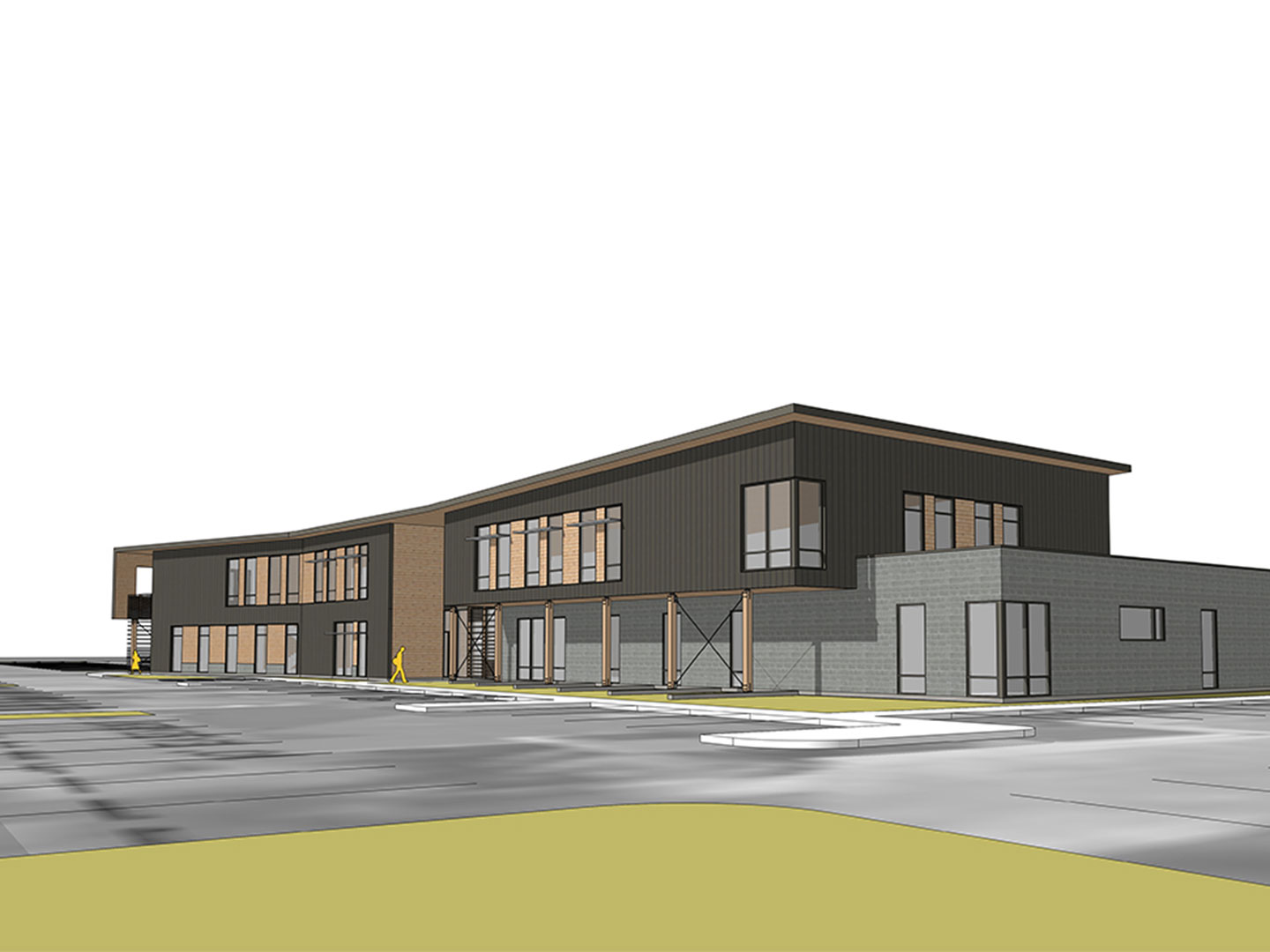
Kansas City's healthcare landscape is defined by a competitive multi-system environment headlined by some of the most recognized names in regional medicine. The University of Kansas Health System, centered on its sprawling campus in Kansas City, Kansas, has invested heavily in expanding its oncology, neuroscience, and cardiovascular programs. Across the state line, Saint Luke's Health System, Children's Mercy Hospital on Gillham Road, and Research Medical Center serve as pillars of the Missouri side of the metro. The Country Club Plaza medical district, the Leawood and Overland Park medical corridors in Johnson County, and the rapidly expanding Liberty and Lee's Summit outpatient markets all contribute to a healthcare real estate footprint that demands roofing expertise calibrated to clinical environments and the demands of the Great Plains climate.
Kansas City's position in the heart of the continental United States means its roofing systems must withstand the full spectrum of North American weather events. Summer heat waves push rooftop temperatures well above 160 degrees Fahrenheit. Winter ice storms, common from December through March, deposit ice loads that challenge drainage systems and create damming conditions at parapet edges. Spring hailstorms, a recurring threat across the Kansas City metro, are capable of fracturing single-ply membranes, cracking modified bitumen cap sheets, and compromising metal edge systems in a single storm event. Healthcare facilities cannot accept the risk of undetected hail damage, because even micro-fractures that produce no immediate leak can become water pathways after freeze-thaw cycling the following winter.
The sterile environment requirements at Kansas City's surgical centers and hospital operating rooms place specific demands on roofing systems that general commercial contractors often underestimate. Children's Mercy Hospital, where pediatric patients with compromised immune systems receive care around the clock, has zero tolerance for any infiltration that could introduce mold, particulate, or contamination into the hospital's air handling system. The research laboratories and biocontainment facilities at the University of Kansas Medical Center require building envelopes that maintain precise pressure differentials, and any roofing deficiency that compromises this seal has immediate operational consequences. These are not theoretical concerns, they are the operational reality that drives facility teams at these institutions to demand documented contractor competence before any work begins.
Medical office building development in Johnson County, Kansas, particularly along the 119th Street corridor in Overland Park, the College Boulevard medical strip, and the Shawnee Mission Medical Center environs, has accelerated as the University of Kansas Health System and Saint Luke's both expand their ambulatory networks. These buildings require roofing systems that accommodate the heavy rooftop mechanical equipment typical of clinical occupancies, including large modular air handling units for spaces requiring specific air change rates and filtration standards. Structural roofing specifications for new medical office construction in Johnson County routinely include enhanced deck attachment and insulation fastening patterns that provide the foundation for long-term system integrity under the dynamic loading that rooftop HVAC equipment imposes.
Infection control during roofing construction at Kansas City's occupied medical facilities requires close coordination between contractors and facility teams. Saint Luke's facilities management, Children's Mercy's construction management group, and the University of Kansas Health System's project office all maintain detailed contractor orientation and credentialing processes that must be completed before any crew member accesses hospital property. The ICRA protocols used at these facilities account for the specific patient populations in adjacent clinical areas, and contractors working above bone marrow transplant units or immunotherapy suites face the most restrictive containment requirements. Our crews hold current ICRA training certificates and are familiar with the specific protocols used at Kansas City's major medical institutions.
Hail damage assessment is a specialized competency that is disproportionately valuable in the Kansas City market. After a severe hail event, the roofing systems on medical facilities across the metro should be inspected by contractors who can distinguish cosmetic surface marking from structural membrane damage, because insurance claims and replacement timing decisions depend on that distinction. Modified bitumen systems often show hail impact marks that do not immediately leak but represent weakened areas that will fail under subsequent UV exposure. TPO systems may show point punctures that appear small on inspection but allow capillary water movement into the insulation layer. Healthcare facility managers who schedule post-hail inspections as a standard protocol protect both their buildings and their insurance claim positions.
The assisted living and memory care market in Kansas City has seen substantial development activity, with new facilities opening in Lee's Summit, Blue Springs, Olathe, and the North Kansas City corridor. These facilities combine the infection control requirements of clinical healthcare with the residential expectations of their occupants, and their roofing systems must perform reliably while minimizing the disruption that active maintenance work causes in occupied residential environments. Scheduled inspections and minor repairs conducted during daytime hours, when residents are in common areas, minimize the noise and access disruption that late-night emergency repairs would otherwise create. A proactive maintenance program tailored to memory care and assisted living operations is a meaningful quality-of-life investment for both residents and facility staff.
Kansas City's urban core healthcare properties, the Truman Medical Centers at Hospital Hill and Lakewood, the Research Medical Center on the Kansas City, Missouri side, and the various FQHCs and community health centers serving underserved zip codes, often face roofing challenges compounded by deferred maintenance and constrained capital budgets. Restorative approaches using liquid-applied coatings or spray polyurethane foam systems can extend the life of aging roofs on these properties by 10 to 15 years at a fraction of full replacement cost, providing a financially viable path to maintaining envelope integrity without displacing capital that would otherwise support clinical services. Warranty-backed restoration systems from major manufacturers are available for these applications when the underlying deck remains structurally sound.
Specifying and procuring roofing work for healthcare facilities in Kansas City requires a procurement process that goes beyond lowest-bid selection. Facility managers at Kansas City's major hospital systems have learned through experience that contractor vetting criteria must include ICRA certification, documented healthcare project references with contact verification, active licensing in both Kansas and Missouri where applicable, and evidence of manufacturer certification for the specific system being bid. The cost differential between a qualified healthcare roofing contractor and a general commercial contractor who lacks this experience often amounts to less than five percent of project cost, a trivial premium relative to the operational and regulatory risk that unqualified work introduces to a clinical facility.
- How should Kansas City healthcare facilities handle post-hailstorm roofing assessments?
- Facilities should engage a qualified roofing inspector within 72 hours of a significant hail event to document membrane condition before any precipitation or UV exposure alters impact marks. The inspector's report should include photographic documentation sufficient to support an insurance claim if damage is confirmed, and the facility's risk management team should be notified simultaneously so that the claim window is preserved.
- What roofing system is most appropriate for a new medical office building in Johnson County, Kansas?
- 60-mil TPO adhered systems over polyisocyanurate insulation boards are the most commonly specified system for new medical office construction in the Johnson County market because they provide high reflectivity for energy compliance, weld-sealed seams that resist the thermal cycling of Kansas City's climate, and strong wind uplift resistance when properly fastened at the perimeter. The system also accommodates the heavy rooftop mechanical equipment typical of clinical occupancy.
- What is the impact of Kansas City winters on healthcare facility roofing systems?
- Ice damming at parapet edges is the most common winter roofing issue at Kansas City medical facilities, occurring when heat escaping through the roof deck melts accumulated snow that then refreezes at the colder perimeter. Proper insulation levels and tapered drainage designs that prevent ponding before freeze events significantly reduce ice dam formation and the membrane damage it causes.
- How do hospitals in Kansas City manage roofing contractor access to occupied clinical areas?
- Major Kansas City hospital systems require contractors to complete facility-specific safety orientations, pass background checks, and hold current ICRA training before accessing roofs above occupied clinical areas. Work schedules are typically coordinated with the facility's Environment of Care committee and may be restricted to specific hours that minimize impact on noise-sensitive care areas such as ICUs and oncology units.
- What restoration options are available for aging roofs at safety-net hospitals in Kansas City?
- Fluid-applied silicone and acrylic roof coatings, as well as spray polyurethane foam systems, can restore watertight integrity to aging modified bitumen or built-up roofs when the underlying structure is sound, providing 10 to 15 years of additional service life at 40 to 60 percent of full replacement cost. Manufacturer-backed warranties are available for qualifying existing conditions, providing the documentation that CMS-regulated facilities need for physical plant compliance records.
Ready to talk through a roof?
Tell us about the building and the roof problem. We'll document it and put a plan in writing, with an honest repair-vs-replace recommendation and no upsell pressure.
Get a Roof Assessment →