
Food Processing and Cold Storage Roofing in Kansas City, MO
Roofing for food processing plants, cold storage facilities, and distribution centers throughout Kansas City, MO.
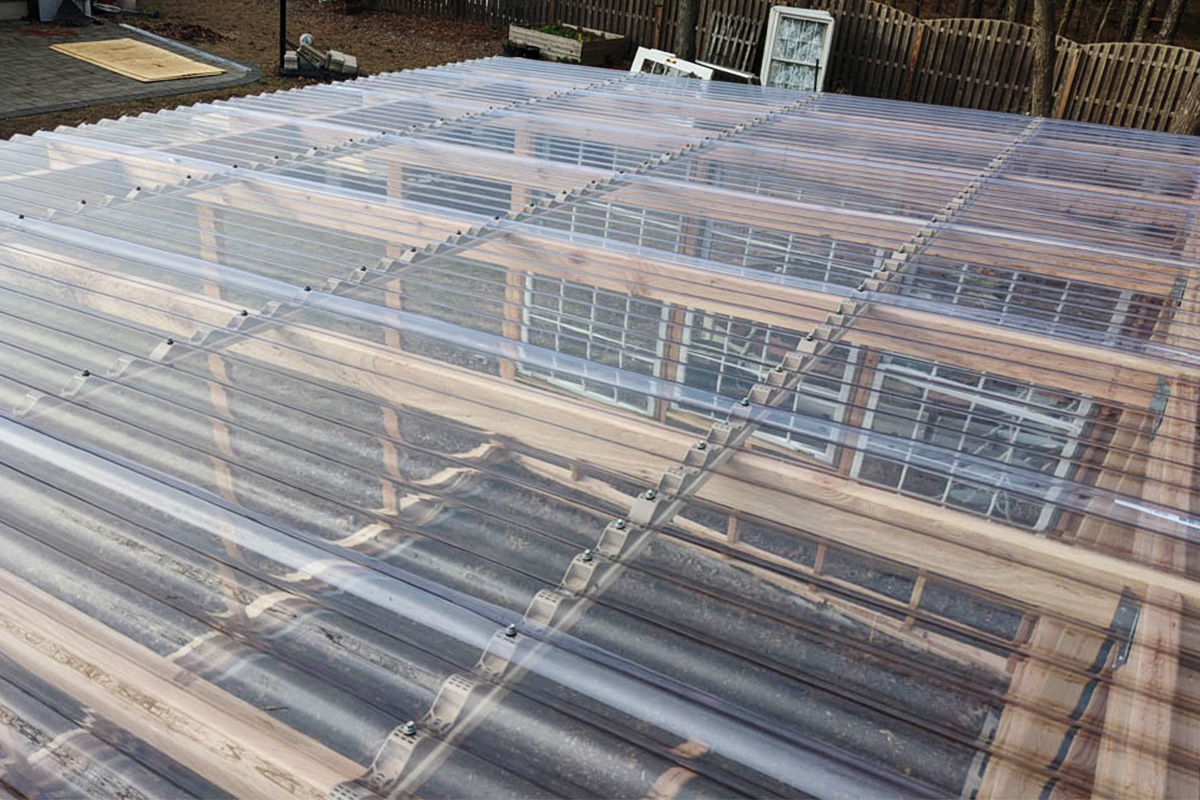
Kansas City's identity as a meat packing, grain processing, and food distribution hub stretches back more than a century, and today the city remains one of the most important nodes in the American food supply chain. Cargill's grain processing and animal nutrition operations anchor the industrial food processing sector in the metro area. Sysco Kansas City operates a major regional distribution center that supplies food service customers across the central United States. Farmland Foods' legacy industrial processing infrastructure has shaped the geography of food manufacturing in the KC area. The Kansas City Stockyards legacy, though the original stockyards are long closed, persists in the industrial cold storage and meat distribution infrastructure that continues to operate in the West Bottoms and surrounding industrial districts. Across all of these operations, the roofing systems protecting processing floors, cold storage rooms, and distribution staging areas must comply with HACCP requirements and FDA/USDA food safety standards while withstanding one of the most meteorologically demanding climates in the United States.
Kansas City's transitional climate, spanning humid continental in winter and humid subtropical in summer, creates cold storage roofing challenges that require seasonal design analysis. Winter conditions with temperatures below 0°F and summer conditions with heat index values exceeding 105°F produce a vapor drive that changes direction with the seasons: outward in summer when interior cold storage spaces are colder than the exterior, and potentially inward during winter cold snaps when the interior is warmer than the freezing exterior. This bidirectional vapor drive requires a vapor retarder analysis that considers both seasonal extremes, not just the dominant summer condition. A vapor retarder appropriately positioned for summer performance may be on the wrong side of the thermal plane for winter performance, a contradiction that is resolved through detailed ASHRAE 160-based analysis specific to each facility's operating conditions and KC's climate data.
Cargill's Kansas City grain and animal nutrition processing operations create a specific category of food processing roofing that includes agricultural dust management as a key consideration. Grain processing facilities generate airborne grain dust that accumulates on rooftop surfaces, particularly in sheltered zones near equipment curbs and parapet walls. This dust accumulation can restrict drain flow, create fire risk near hot equipment surfaces, and provide organic substrate for biological growth. Our maintenance protocols for Kansas City agricultural processing facilities include targeted dust removal from drain sumps and equipment adjacencies at every service visit, fire risk assessment of dust accumulation in the proximity of generator exhausts or boiler stacks, and review of NFPA 61 standards for agricultural grain dust fire risk management as they apply to the roofing environment.
Sysco Kansas City's distribution center requires the refrigerated and temperature-controlled storage roofing performance that a major food service distribution operation demands. FDA FSMA Preventive Controls regulations require documented temperature monitoring and environmental contamination control programs that include the building envelope. The cold chain integrity that Sysco maintains from supplier through customer delivery depends in part on the building envelope's ability to maintain setpoint temperatures throughout the year. Our approach to major food service distribution center roofing in Kansas City treats insulation R-value integrity as a documented food safety parameter, annual thermographic surveys verify that the insulation is performing as designed, and any detected moisture infiltration is addressed before it degrades temperature control performance measurably.
The Farmland Foods legacy industrial processing infrastructure in Kansas City includes a building stock of mixed ages, representing decades of additions, modifications, and roofing system layering that creates complex pre-construction investigation requirements. Older USDA-inspected meat processing facilities were built under different regulatory and construction standards than those applying today, and their roofing systems may reflect multiple generations of repair and re-roofing decisions made under time and budget pressure rather than optimal technical planning. Pre-construction investigation of these facilities routinely reveals conditions that require remediation before a new roof system can be properly specified, including multiply-roofed assemblies with moisture-saturated intermediate layers, drain configurations that create chronic ponding, and structural deck conditions that limit the insulation thickness achievable under a new membrane without deck reinforcement.
Hail risk in Kansas City is a major factor in food processing roofing specification decisions. The central United States is the most hail-active region in the world, and Kansas City sits within the high-frequency impact zone. Large-diameter hailstones, exceeding 1.5 to 2 inches, occur in the KC metro multiple times per decade, and the damage to standard 45-mil or 60-mil TPO membranes from these events can be severe. For food processing facilities, hail damage to the roof membrane is particularly consequential because it can create moisture infiltration pathways that are not visible from inside the building until significant insulation degradation has occurred. Our specifications for KC food processing facilities default to 80-mil reinforced or hail-resistant membranes with FM Global Severe Hail ratings, the incremental cost is easily justified by the reduced emergency repair frequency and the lower risk of production interruption from undetected moisture intrusion.
The Kansas City Stockyards legacy cold storage district in the West Bottoms represents a concentration of aging industrial buildings with roofing systems that are often well past their design service life. These buildings' owners face a choice between deferred maintenance and re-roofing investment, and the financial calculus increasingly favors proactive re-roofing: energy costs from degraded insulation, emergency repair expenses from weather damage, and the compliance risk of maintaining food processing operations in a facility with documented roofing deficiencies all accumulate faster than many operators recognize until they compare the total cost of deferred maintenance against a planned re-roofing project. Our condition assessments for West Bottoms food industry properties provide the quantified analysis that property owners need to make this comparison with full information.
HACCP compliance for Kansas City meat processing and food distribution facilities requires documentation of building envelope condition as part of the facility's sanitation and contamination control program. USDA FSIS inspectors who regularly visit inspected establishments may note roofing deficiencies that create mold growth potential, visible moisture staining, or other physical plant conditions that suggest inadequate sanitation control. Addressing these conditions proactively, through regular inspection, documented repair programs, and timely remediation, keeps the facility in good standing with the inspection program and avoids the cost and operational disruption of responding to a formal sanitation deficiency notice during an active production shift.
Energy management for Kansas City food processing roofs must account for both the heating season (when insulation R-value provides direct energy cost reduction) and the cooling season (when cool roof reflectance reduces refrigeration load). Kansas City's relatively balanced seasonal energy demand profile, neither as heating-dominated as northern markets nor as cooling-dominated as Deep South markets, means that both insulation R-value and membrane reflectance contribute meaningfully to annual energy performance. Evergy's commercial energy efficiency incentive programs recognize both measures; a re-roofing project that upgrades insulation and installs a reflective membrane can generate an Evergy incentive that offsets a meaningful portion of the project cost while delivering permanent energy savings.
Kansas City's food processing and cold storage roofing market is shaped by the intersection of a historic agricultural processing legacy, a demanding midcontinental climate, stringent USDA and FDA food safety requirements, and the energy management economics of large refrigerated distribution operations. The contractors who serve this market best are those who bring both the technical depth to design and install cold storage roof assemblies correctly and the compliance awareness to support the documentation requirements that food safety regulatory frameworks create. Our team brings both, and backs it with a service capability that protects Kansas City food industry clients through every season of the most meteorologically challenging climate in the United States.
Frequently Asked Questions: Food Processing and Cold Storage Roofing in Kansas City
How does Kansas City's bidirectional seasonal vapor drive affect cold storage roof design?
Summer creates outward vapor drive (cold interior, hot exterior) while winter cold snaps can create inward drive. The vapor retarder must be positioned to manage both seasonal conditions, which requires ASHRAE 160-based analysis of the specific setpoints and KC climate data, not a generic single-direction specification.
What hail resistance is recommended for food processing facility roofs in Kansas City?
80-mil reinforced or KEE membranes with FM Global Severe Hail ratings are the recommended baseline. Standard 60-mil membranes can be penetrated by the 1.5-2 inch hailstones that occur in the KC metro multiple times per decade. Post-hail inspection within 48-72 hours is essential regardless of membrane specification.
How should grain dust accumulation be managed on Kansas City agricultural processing facility roofs?
Semi-annual drain cleaning and dust removal from equipment adjacencies, fire risk assessment of dust accumulation near hot surfaces per NFPA 61 standards, and biological growth treatment in dust-enriched areas near parapets and equipment curbs. Targeted dust management is a safety and maintenance requirement, not just a cosmetic concern.
What Evergy incentives are available for re-roofing Kansas City food processing facilities?
Evergy's commercial energy efficiency programs recognize both insulation R-value upgrades and cool roof reflective membranes as qualifying measures. Combined insulation and reflective membrane re-roofing projects can generate incentives that offset project cost while delivering permanent heating and cooling energy savings.
When should a Kansas City food processing facility owner invest in re-roofing versus continued maintenance?
A condition assessment that quantifies insulation degradation (via thermographic survey), estimates remaining service life, and calculates the annual cost of energy loss from moisture-impaired insulation typically shows that re-roofing becomes financially superior to deferred maintenance when a roof reaches 15-20 years of age with documented moisture infiltration issues.
Ready to talk through a roof?
Tell us about the building and the roof problem. We'll document it and put a plan in writing, with an honest repair-vs-replace recommendation and no upsell pressure.
Get a Roof Assessment →