
Mixed-Use Development Roofing in Kansas City, MO
Commercial roofing for mixed-use buildings, urban infill developments, and live-work-play properties throughout Kansas City, MO.
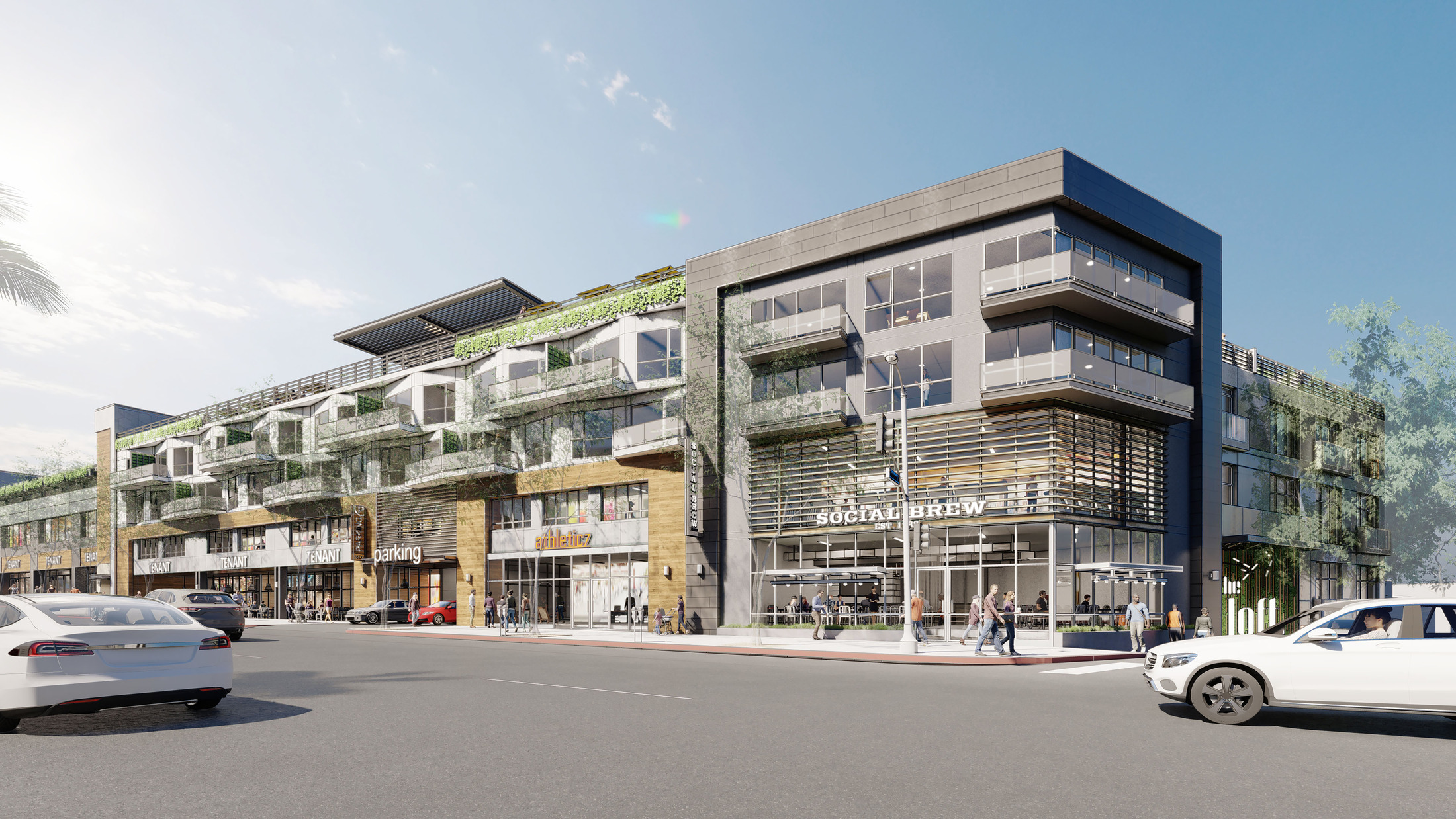
Kansas City's mixed-use boom has been most visible along the streetcar corridor stretching from the River Market through the Crossroads Arts District and down to Crown Center, where mid-rise buildings stack retail, creative office, and residential units in assemblies that put enormous demands on roofing systems handling Midwestern weather extremes. The Power and Light District's evolution, the redevelopment pressure in Westport, and the industrial-to-residential conversions happening in the West Bottoms all represent the kind of urban infill where a roofing contractor has to think across multiple occupancy types, multiple stakeholder groups, and multiple decades of service life simultaneously. Getting the roof right on these buildings is not a one-trade decision,it's a systems integration challenge.
Kansas City sits in a climate zone that punishes roofs from both directions. Summers bring intense humidity, UV radiation, and hail events that rank the metro among the highest-hail-frequency markets in the country. Winters deliver freeze-thaw cycles, ice dams at parapets and step flashings, and the occasional ice storm that loads rooftop mechanical equipment and parapet walls with unexpected weight. Mixed-use buildings in the Crossroads, where older masonry facades meet new roof assemblies at parapet transitions, are especially vulnerable to freeze-thaw infiltration through mortar joints and counterflashing anchors. We specify stainless steel through-wall flashings, flexible sealants rated for Kansas City's temperature swing range, and parapet cap assemblies that drain outward rather than back toward the roof field.
The transition zone between commercial and residential occupancies,whether a concrete podium deck or a structural steel deck at the level change,is where waterproofing investment pays the greatest dividends on Kansas City mixed-use projects. The Westside and Midtown neighborhoods have seen a wave of four- and five-story mixed-use buildings where the retail podium carries rooftop mechanical equipment for the residential floors above. Condensate drainage from those units, combined with Kansas City's heavy spring rainfall, creates standing water risks at the podium-deck level that a standard single-ply membrane installation is not designed to handle without a protected assembly approach. We add drainage composite layers, root barriers where planters are present, and auxiliary drains sized for the watershed area of each podium zone.
Green roofs on Kansas City mixed-use buildings have gained traction in part because the city's Green Impact Zone initiatives and the KC Water stormwater credit program offer tangible financial returns on the upfront installation cost. Extensive sedum assemblies on buildings along Troost Avenue and in the 18th and Vine redevelopment corridor contribute to watershed retention goals while also providing insulation value that reduces cooling loads on the residential units below. We select cold-climate-rated growing media and plant palettes that survive both Kansas City's July heat and its February cold snaps without irrigation systems that complicate roof maintenance access.
Rooftop amenity decks on Kansas City mixed-use projects range from simple gravel-ballasted terraces to fully programmed resident lounges with outdoor kitchens and pergola structures. The views from rooftops in the River Market and the West Bottoms toward the downtown skyline and the confluence of the Missouri and Kansas rivers have made these spaces a genuine leasing amenity. We design the underlying roof assembly to accommodate pedestal paver systems, hot tub or plunge-pool pad loads where they appear on architectural plans, and the electrical and plumbing penetrations those amenities require,each one a potential water infiltration point that must be detailed with the same rigor as a primary roof drain.
Fire-rated assemblies for mixed-use buildings in Kansas City follow IBC Chapter 7 requirements as adopted by Missouri, with occupancy separation ratings that vary based on the specific use groups stacked in the building. A building with an assembly occupancy bar at grade beneath residential apartments above carries a more demanding rating requirement than one with retail boutiques below condominiums. We work from the project's occupancy matrix to specify tested assemblies that satisfy the rating without over-engineering the system, coordinating with the structural engineer where the deck type affects assembly options and with the fire marshal's office where Kansas City has adopted local amendments that modify the state baseline.
Noise isolation in mixed-use buildings along the 39th Street entertainment corridor and in the Westport neighborhood is a source of genuine legal and operational risk for developers. A rooftop mechanical system that transmits low-frequency vibration through the structural deck into residential units creates habitability complaints that can lead to lease terminations and litigation. We specify isolation curb systems for rooftop HVAC equipment, flexible connector details at duct penetrations, and high-density insulation at the roof-ceiling assembly where the acoustic consultant's model identifies flanking paths. These details cost more upfront but eliminate the callback cycle that mars a building's reputation in Kansas City's competitive apartment market.
The multi-level rooflines characteristic of Kansas City mixed-use projects,where a two-story retail base steps up to a five-story residential wing at the rear of the parcel,create flashing and drainage details that require experienced field supervision to execute correctly. Step flashing at masonry walls, counterflashing reglets cut into existing brick or CMU, and through-wall scuppers at parapet intersections are all locations where field conditions diverge from design drawings and where a crew without mixed-use experience cuts corners that become leak investigations three years later. Our project supervision protocol includes photographic documentation of every critical flashing detail before it is covered by subsequent trades, creating a record that supports both warranty administration and future maintenance planning.
Long-term maintenance on Kansas City mixed-use roofs benefits from structured inspection programs that account for the building's mixed use and the resulting variety of roof penetrations, access points, and mechanical equipment. A typical Crossroads mixed-use building has restaurant exhaust fans, residential HVAC condensers, elevator machine room ventilators, and solar panels all sharing the same roof plane,each one a potential leak point and each one managed by a different building tenant or system operator. We offer maintenance programs that consolidate inspection and sealant renewal for all penetrations under a single annual visit, giving property managers the documentation trail that lenders and insurance carriers increasingly require in Kansas City's urban commercial real estate market.
- How does Kansas City's hail risk affect roofing choices for mixed-use buildings?
- Kansas City's high hail frequency makes impact-resistant membrane and insulation selections a priority, and many insurance carriers now require specific FM or UL impact ratings for commercial roofs in the metro area. We specify impact-rated TPO or modified bitumen assemblies with hail guards on exposed equipment. Documenting the assembly's rated resistance is important for both initial coverage and post-storm claims.
- What waterproofing approach works best at podium-deck transitions in Kansas City mixed-use buildings?
- A protected membrane assembly with a fluid-applied or torch-applied waterproofing base, drainage composite, and root barrier performs best at Kansas City podium decks subject to Midwestern rainfall intensities and freeze-thaw cycles. The membrane must be tested for both hydrostatic resistance and cold-temperature flexibility. Auxiliary drains sized for the podium's watershed area provide redundancy when primary drains are blocked.
- Are there city programs that offset the cost of green roofs on Kansas City mixed-use developments?
- KC Water offers stormwater credit for qualifying vegetated roof assemblies that meet minimum growing media depth and plant coverage requirements, reducing the building's stormwater utility fee on an ongoing basis. Some projects have also accessed Community Development Block Grant funds through the Green Impact Zone program for qualifying infill sites. The financial case for green roofs in Kansas City has improved materially as these programs have matured.
- How are fire-resistance ratings determined for mixed-use occupancy separations in Missouri?
- Missouri adopts the IBC with amendments, and the required fire-resistance rating at an occupancy separation depends on the specific use groups being separated and whether the building is sprinklered. The project architect specifies the required rating based on the occupancy matrix, and roofing contractors must install tested assemblies that match that rating. We provide documentation of listed assembly numbers with every project submittal for the Kansas City building department.
- Who manages roof maintenance when a Kansas City mixed-use building has a retail condo association and a residential HOA?
- The recorded governing documents,typically a master condominium declaration,should designate the responsible entity for the building envelope, which is usually a master association that collects dues from both the commercial and residential sub-associations. We recommend establishing a roof reserve fund sized to the assembly's expected replacement cycle during the declaration drafting process. Annual inspection documentation supports reserve study updates and keeps all parties informed of the roof's condition.
Ready to talk through a roof?
Tell us about the building and the roof problem. We'll document it and put a plan in writing, with an honest repair-vs-replace recommendation and no upsell pressure.
Get a Roof Assessment →