
Hotel and Hospitality Property Roofing in Kansas City, MO
Commercial roofing for full-service hotels, limited-service hotels, extended-stay properties, and hospitality brands throughout Kansas City, MO.
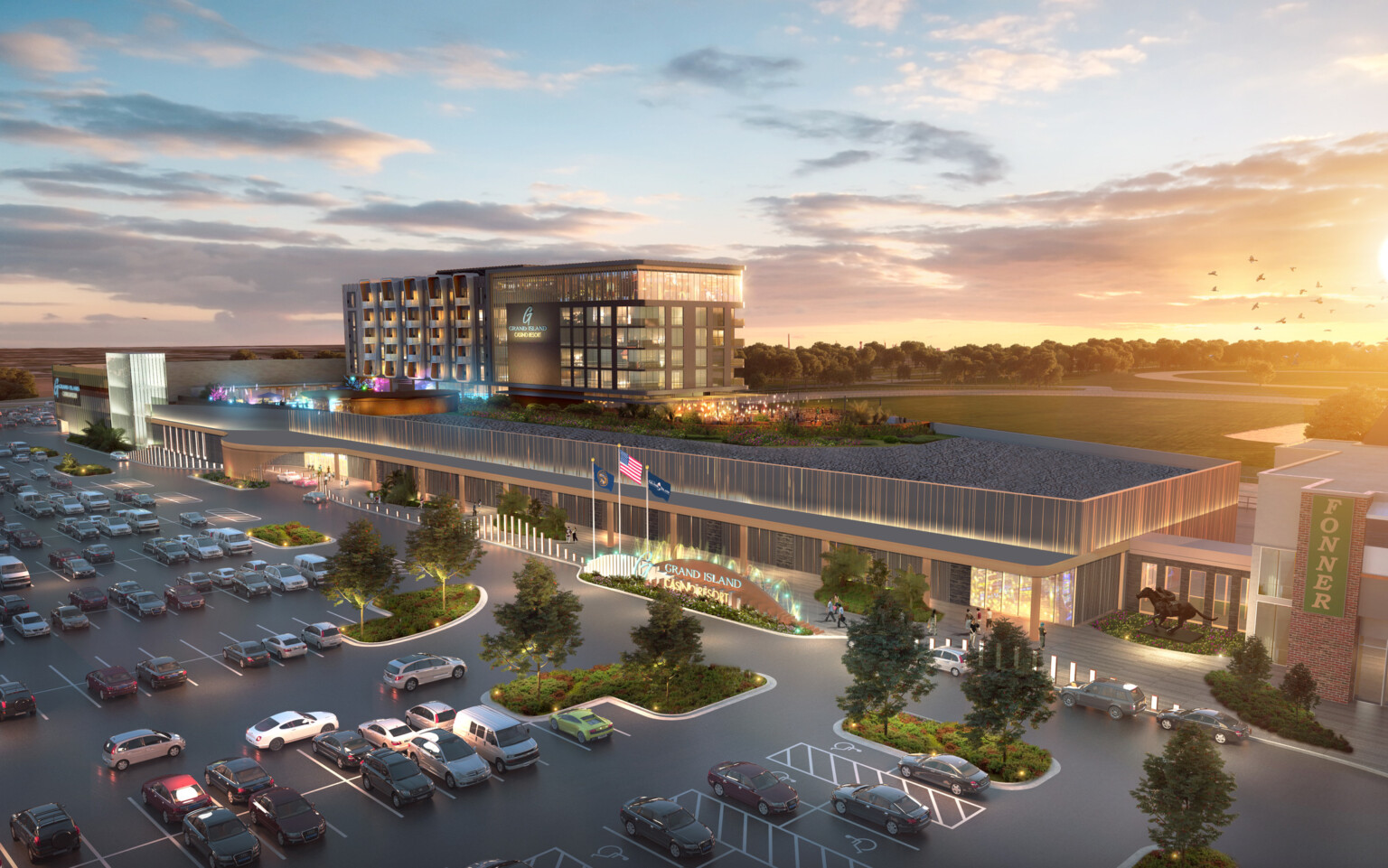
Kansas City's hospitality market has undergone a sustained expansion driven by the Power and Light District's revival, the KC Current stadium development along the riverfront, and the consistent drawing power of the Country Club Plaza hotel cluster that anchors the city's upscale leisure segment. The Sprint Center, now T-Mobile Center, has anchored the downtown district as a concert and sporting event destination that fills hotels from the Power and Light corridor through the Crown Center to the Plaza on event weekends. Across the state line in Overland Park and Leawood, the suburban hotel market serves the Sprint campus workforce and the Johnson County corporate corridor that runs along I-435. Connecting all of these properties is a shared climate challenge: the American Midwest's most extreme temperature cycling, severe spring storm exposure, and the occasional catastrophic ice event that tests every commercial roof in the metro simultaneously.
Kansas City's position at the confluence of the Missouri and Kansas weather regimes places it squarely within Tornado Alley's most active zone. Spring severe weather season from March through June produces hail events, high-straight-line winds, and occasional tornado touchdowns that create simultaneous roofing damage across dozens of hotel properties at once. The post-storm contractor availability crisis that follows a major outbreak means that hotels with existing service relationships receive priority response while those without prior contractor relationships wait days or weeks for assessment. The operational and reputational consequences of a multi-day wait with active leaks, particularly if the storm coincides with a major T-Mobile Center event weekend, are severe enough that establishing a retained emergency service agreement before storm season is simply standard risk management for any Kansas City hotel operator.
The franchise hotel market along the I-70 corridor from downtown Kansas City through Independence and Lee's Summit carries a mix of property vintages that creates widely varying roofing maintenance challenges. Properties built during the 1990s hotel construction boom are approaching or past the service life of their original roofing systems, and PIP cycles that franchise brands are now initiating for those properties frequently include roofing as a required line item. Marriott and IHG brand representatives conducting QA reviews in the Kansas City market have been particularly focused on drain documentation and infrared moisture survey records for these older-vintage properties, because the mid-continent climate has consistently produced saturation conditions in aged systems that visual inspection alone misses.
The Kansas City Royals and Chiefs stadium districts create event-driven scheduling constraints that affect hotel roofing project windows differently from the arena-driven constraints in downtown-focused markets. Game-day crowd pressure around the Truman Sports Complex hotels along I-70 reaches its peak during the NFL season from September through January, precisely the window when late-fall and early-winter weather makes roofing work challenging and when contractor availability tightens across the metro. The practical project window for hotels in the stadium corridor runs from late January through late April, after the playoff season and before the baseball schedule reaches peak summer attendance. Hotels that plan renovation projects with this window in mind find both better contractor pricing and better weather cooperation than those who force projects into constrained scheduling windows around events.
Kansas City's Plaza hotel district represents a distinct micromarket with unique roofing considerations. The Country Club Plaza's distinctive Spanish-inspired architecture extends to many of the adjacent hotel properties, and some Plaza-area hotels maintain architectural features, decorative parapets, ornamental rooftop elements, clay tile accents, that require preservation-sensitive roofing approaches incompatible with standard commercial membrane replacement procedures. Hotels with historic or architecturally sensitive rooftop elements need contractors who understand how to integrate waterproofing improvements behind or beneath existing features without compromising the aesthetic character that contributes to their rate premium positioning in the market. This is a specialized skill set, and the bid qualification process should explicitly probe contractor experience with preservation-sensitive commercial roofing.
TPO membrane systems have largely replaced modified bitumen for full replacement projects on Kansas City hotel roofs, but the transition has not been without quality variance across the contractor pool. Kansas City's temperature extremes, winters where the mercury drops below zero and summers where it exceeds one hundred, stress thermoplastic membranes at both ends of their rated performance range. TPO seams that were welded in marginal heat during a cold October are the first to fail when the next summer's heat cycles stress them. The quality assurance protocol that separates excellent Kansas City hotel roofing outcomes from mediocre ones is consistent temperature logging during seam welding operations and mandatory adhesion testing at each shift start, documentation requirements that should be specified contractually and not left to the contractor's discretion.
Extended-stay hotels in Kansas City's southern suburban corridor serve the Sprint, Cerner, and Burns and McDonnell corporate workforces that anchor Johnson County's employment base. These properties face the specific challenge that Midwest corporate travelers are among the most experience-savvy hotel consumers in the country, they stay in hotels constantly, they know what good property maintenance looks like, and they are not generous with online reviews when they encounter evidence of deferred maintenance. A TownePlace Suites serving a Cerner contractor team that discovers water-damaged ceiling tiles from a two-year-old slow leak loses that team's future bookings to a competitor who has visibly maintained their property. Extended-stay operators in the southern suburbs maintain aggressive preventive maintenance schedules precisely because their customer base is sophisticated enough to distinguish maintained from neglected.
Ice storm events are the single most acute short-term weather threat to Kansas City hotel roofs, more damaging per occurrence than even significant hail events. Ice accumulation of one to two inches on a flat commercial roof can add forty to sixty pounds per square foot to the structural load, and secondary ice damming at internal drains, where the ice ring prevents drainage of the water layer beneath, creates standing water loads that persist for days after the ice storm passes. Hotels with internal drains that are not equipped with heat trace cables in the drain bowl and leader pipe experience both the ice load stress and the extended standing water stress simultaneously. The February 2021 winter storm that affected Kansas City demonstrated that ice events historically dismissed as once-per-decade occurrences are occurring with increasing frequency, and heat trace investment has become a standard recommendation for all Kansas City full-service hotel properties following that event.
Preventive maintenance for Kansas City hotel roofs requires a calendar that addresses all four of the climate's distinct seasonal stress phases. A winter inspection in January after any significant ice events documents structural flashing stress and drain condition. A spring inspection in May after the severe weather season assesses hail impact damage and membrane condition. A summer inspection in August after peak thermal stress identifies any blistering or lap seam conditions before they develop into active leaks. A fall inspection in October before freeze-up addresses all open items and verifies heat trace systems are operational before the winter ice risk window opens. Hotels that follow this four-visit cadence have the most defensible documentation record in the Kansas City commercial insurance market, where carriers have become significantly more rigorous about maintenance documentation requirements following the major weather events of recent winters.
- How should Kansas City hotel operators prepare for tornado season roofing damage?
- Establishing a retained emergency service agreement with a local commercial roofing contractor before spring storm season is the single most effective preparation, because post-outbreak contractor availability is severely constrained when multiple properties in the metro are damaged simultaneously. The agreement should specify four-hour response for active leaks, documented inspection within twenty-four hours of any hail or wind event above defined thresholds, and photographic documentation protocol before any remediation begins.
- What caused the roofing failures during Kansas City's ice storm events?
- Internal drains without heat trace cables develop ice rings that prevent drainage, creating standing water loads beneath the ice that persist for days and stress membrane seams far beyond their design assumptions. The combined structural load from ice accumulation plus trapped water regularly exceeds fifty pounds per square foot on affected roof sections, which is why post-ice inspection and heat trace installation have become standard recommendations for Kansas City hotel operators after the 2021 winter storm.
- What is the best project window for hotel roof replacement in the Kansas City area?
- Late January through late April provides the best combination of event-schedule clearance, contractor availability, and weather cooperation for most Kansas City hotel markets. Downtown properties should additionally avoid the T-Mobile Center's major concert and sporting event schedule, and stadium-corridor properties should complete work before the baseball season's summer peak occupancy period begins.
- How does Kansas City's temperature extreme range affect TPO membrane performance?
- The combination of sub-zero winter temperatures and summer heat above one hundred degrees stresses TPO membranes at both ends of their rated performance range, making seam welding quality at installation the critical determinant of long-term performance. Temperature logging during seam welding and adhesion testing at each shift start in cool conditions should be specified contractually, these documentation requirements create manufacturer warranty accountability that cannot be enforced without them.
- What roofing considerations apply to architecturally distinctive hotels on the Country Club Plaza?
- Plaza-area properties with Spanish-inspired architectural elements, decorative parapets, clay tile accents, ornamental rooftop features, require contractors with preservation-sensitive commercial roofing experience who can integrate modern waterproofing improvements without compromising the aesthetic character that supports premium rate positioning. Standard commercial membrane contractors without this specialized experience should not be evaluated for these projects without a specific portfolio review of comparable preservation-sensitive work.
Ready to talk through a roof?
Tell us about the building and the roof problem. We'll document it and put a plan in writing, with an honest repair-vs-replace recommendation and no upsell pressure.
Get a Roof Assessment →