
Commercial Roof Insurance Claim Assistance in Kansas City, MO
Damage documentation, adjuster walkthroughs, and full-scope reporting for commercial roof insurance claims across the Kansas City metro, from a roofing contractor, not a public adjuster.
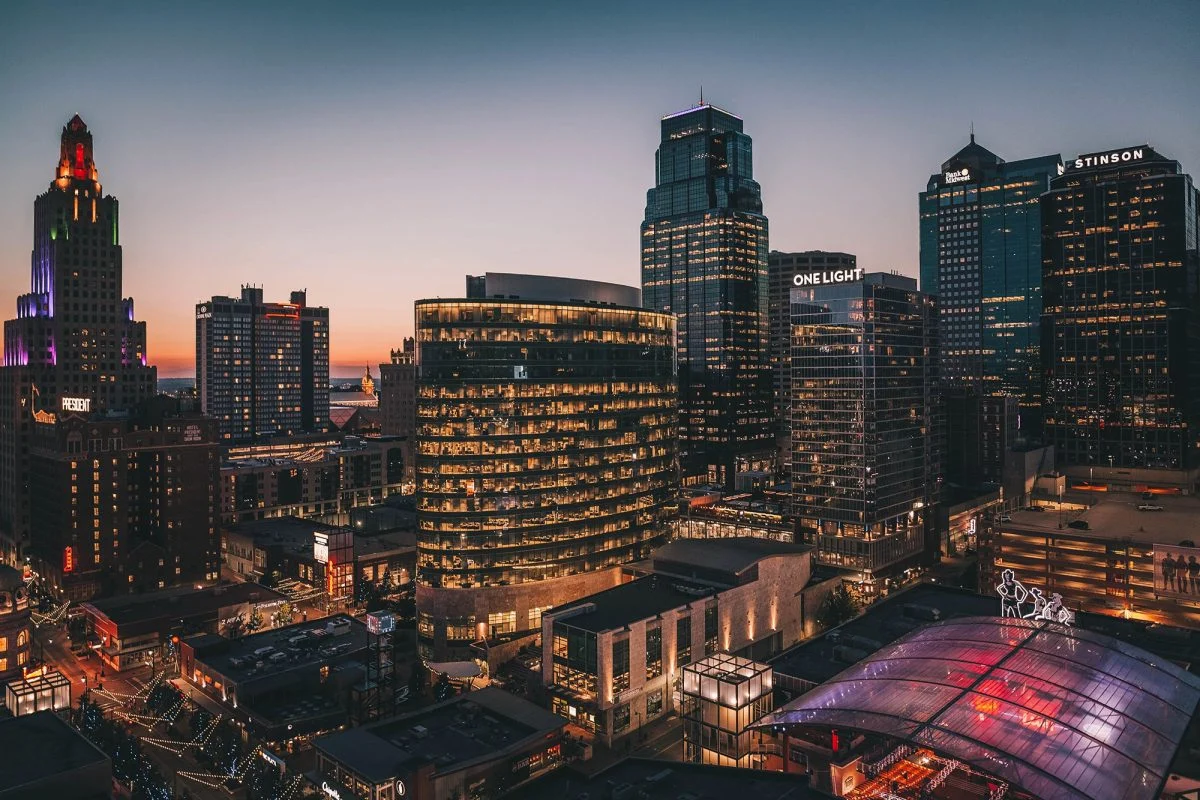
Property owners across the Kansas City metro, from the warehouse corridors along I-435 and the Kansas City Intermodal SmartPort to the office towers downtown and the retail centers spread across Overland Park and Lee's Summit, deal with the same problem after a bad storm: the roof looks fine from the parking lot, the adjuster's walkthrough is quick, and the settlement doesn't match what actually happened up there. A commercial roof insurance claim in Kansas City, MO stands or falls on documentation, and documentation is roofing work, not paperwork.
We are a commercial roofing contractor, not a public adjuster. What we do is inspect the roof, document what we find with photos, measurements, and moisture readings, and produce a written assessment your adjuster can use to scope the claim accurately. Straight, roof-level fact-finding, not negotiation, not advocacy, not a promise about what the carrier will pay.
What a Commercial Roof Insurance Claim Requires
A commercial roof insurance claim needs more than a repair estimate. It needs a documented record of the damage: GPS-tagged photography across the full roof surface, measurements of affected area, moisture readings where water intrusion is suspected, and a written narrative connecting the damage to the storm event. Straight-line wind, hail, and heavy snow load each leave a different signature on a low-slope roof, and the documentation has to show which one you're dealing with. We build that record before a dollar figure enters the conversation.
Meeting the Adjuster on the Roof
Commercial roof systems, TPO and PVC membranes, EPDM, built-up and modified bitumen, mechanically fastened metal, don't always read the same way to an adjuster who handles mostly residential shingle claims. We walk the roof with the adjuster when they schedule their inspection, point out seam stress, membrane displacement, and impact patterns in the material itself, and explain what we're seeing in terms that match how the policy describes covered damage. That translation is often the difference between a claim that gets scoped correctly the first time and one that needs a second look.
Getting the Full Scope Documented, Not the Visible Fraction
Storm damage on a commercial roof is rarely limited to what's visible from a ladder at the edge. Hail bruising on TPO doesn't always show up until UV exposure and thermal cycling turn a compression point into a split. Wind-lifted membrane at a parapet can look fine once it settles back down, even after the adhesive bond underneath has failed. Our assessment covers the full roof, not a sample corner, and documents adjacent conditions like code-required insulation upgrades, drain and flashing detail that has to be brought current, and material matching where a partial repair would leave a visibly mismatched roof. A complete scope means nothing legitimate gets left off the report, not an inflated one.
When a Claim Comes Back Denied or Underpaid
A low settlement usually traces to something the initial inspection missed, damage on the far side of a large roof, impact density outside the small sample area an adjuster had time to check, or moisture that hasn't reached the interior ceiling yet but is already saturating insulation. When that happens, we re-inspect, document what the first pass missed, and put together a supplemental report you and your adjuster can use to revisit the number. What we won't do is promise a specific payout or tell you we'll fight the carrier for more money, that's not our role, and any contractor who says otherwise is setting expectations we can't back up with roofing work.
We're your roofing contractor, not a public adjuster, we document and substantiate the roof damage so you and your adjuster work from an accurate scope.
Kansas City's Storm Exposure Shapes How We Document
The metro sits inside hail alley and gets hit by severe spring and summer thunderstorm lines, occasional derecho-strength straight-line wind, and hard Midwest winters with ice and freeze-thaw cycling on top of it. A roof on a distribution building near the Norfolk Southern or BNSF rail yards, a strip retail center in Lenexa, or a mid-rise office in the Crossroads takes those perils differently depending on roof size, age, and membrane type, which is why we tailor the inspection to the building instead of running a generic checklist.
Related weather-specific guidance: Hail Damage Roof Insurance Claims, Wind & Storm Damage Roof Insurance Claims, and Snow & Ice Roof Damage Insurance Claims. For active leaks or ongoing repair work tied to a claim, see Storm Damage Roof Repair.
- Does insurance cover commercial roof replacement?
- Most commercial property policies cover roof replacement when the damage traces to a covered peril, hail, wind, or another sudden event, rather than age or lack of maintenance. Whether a policy pays for full replacement or a repair depends on the extent of the damage our assessment documents and the specifics of the policy, which is between you and your carrier. Our job is producing a damage record thorough enough that the true scope isn't in question.
- What's the process for a commercial roof insurance claim in Kansas City?
- You file the claim with your carrier, and we handle the roofing side: a documented inspection with photos and measurements, a written damage assessment, and coordination with the adjuster when they schedule the roof walk. From there the carrier issues a scope and settlement. If the settlement misses documented damage, we prepare supplemental evidence so you and your adjuster can revisit it.
- What if my commercial roof claim gets denied or underpaid?
- A denial or a low settlement often comes down to documentation the adjuster's initial walk didn't capture, impact density outside their sample area, displaced flashing on the leeward side, moisture that hasn't shown up as an interior leak yet. We can re-inspect, document what was missed, and give you and your adjuster a supplemental report to work from. We don't negotiate with the carrier on your behalf, but we make sure the roofing facts are complete.
- Should I repair or replace after a covered loss?
- That depends on the roof's age, the extent of the damage, and how much service life was left before the storm. Our assessment separates damage that's fixable with targeted repair from damage extensive enough that a full-scope replacement is the sounder call, with core samples and photo evidence backing up either recommendation, not a guess.
- Do I need a public adjuster in addition to a roofing contractor?
- Some owners bring in a public adjuster to negotiate the settlement on their behalf; that's a separate decision from hiring us. We stay in our lane as the roofing contractor, inspecting the roof, documenting the damage, and meeting your adjuster or public adjuster on the roof to walk through what we found. We don't file or negotiate the claim itself.
- How long does a commercial roof claim take from inspection to repair?
- A damage assessment for a mid-size commercial roof typically takes 3-5 business days to deliver after the site visit. From there, timeline depends on your carrier's claim schedule and adjuster availability. Once a scope is approved, we sequence the repair or replacement around your building's operations rather than making tenants or staff work around us.
Have storm or claim damage to document?
Tell us about the building and the storm event. We'll document the roof, give your adjuster a report they can act on, and lay out a repair-vs-replace recommendation with no upsell pressure.
Get a Roof Assessment →